A fireplace should draw smoke up and out of your home almost immediately. When it does not, the issue is more than an inconvenience. The top warning signs of blocked chimney trouble can point to a serious fire risk, poor indoor air quality or dangerous carbon monoxide exposure. For Melbourne homeowners, property managers and commercial operators, recognising the warning signs early can prevent damage and help keep occupants safe.
A chimney blockage can develop slowly through soot buildup, bird nests, leaves, loose mortar, animal debris or a damaged flue. Even a fireplace that was working well last winter may be unsafe to use once the colder months return. If you suspect a blockage, stop using the fireplace until it has been professionally inspected and cleaned.
Top warning signs of a blocked chimney
Smoke entering the room
Smoke spilling back into the room is one of the clearest signs that the chimney is not drawing properly. You may see it when lighting a fire, after adding another log or throughout the burn. A small amount of smoke can sometimes occur while a cold flue warms up, particularly on a still day, but ongoing smoke in the room is not normal.
Do not assume opening a window will solve the problem. Fresh air may temporarily improve the draw, but it will not remove a nest, heavy creosote deposit or collapsed material inside the flue. Smoke contains fine particles and irritants that can affect breathing, especially for children, older people and anyone with asthma.
A strong smoky or burnt smell when the fireplace is off
A blocked chimney can trap soot, creosote and moisture in the flue. This often creates a persistent burnt, musty or smoky odour around the fireplace, even when no fire is lit. The smell may become stronger after rain, during humid weather or when the wind changes direction.
Odour alone does not always mean the chimney is fully blocked. It can also indicate a flue that needs cleaning, moisture entering through a damaged cap, or old deposits left from previous use. It is still a practical reason to arrange an inspection before lighting another fire.
Poor draw and slow-burning fires
A healthy chimney creates enough upward airflow to support clean combustion. If your fire struggles to establish, burns weakly or needs constant attention to stay alight, restricted airflow may be the cause. You might also notice smoke hovering inside the firebox instead of moving decisively up the flue.
Poor draw can be affected by weather, the height of the chimney, wet firewood and ventilation in tightly sealed homes. However, if the problem is new or continues over several fires, it should not be ignored. A professional can assess whether the cause is a blockage, soot accumulation, a flue design issue or another ventilation problem.
Black soot, stains or discolouration around the fireplace
Dark staining around the fireplace opening, on nearby walls or above the mantel can mean combustion by-products are escaping where they should not. Soot may also appear around vents, dampers or inspection points. This is a warning that smoke is not travelling cleanly through the chimney.
Soot marks can be difficult to remove and may return quickly if the underlying issue is not fixed. More importantly, visible residue often signals that fine particles have already entered the indoor environment. Cleaning the wall without checking the chimney addresses the appearance, not the safety concern.
Falling debris in the firebox
Twigs, leaves, nesting material, pieces of mortar or small fragments of tile inside the firebox deserve immediate attention. Birds and pests can build nests in uncapped or damaged chimneys, while ageing internal liners and masonry can shed material over time.
A few loose flakes after a long period of disuse may not tell the whole story, but repeated debris is never something to brush aside. It can restrict the flue, create a fire hazard and indicate structural deterioration. Do not reach far into the chimney or attempt to dislodge unseen material yourself.
Excessive creosote buildup
Creosote is a dark, sticky or crusty substance created when wood smoke cools and condenses inside the flue. It is highly flammable. Thick deposits can narrow the passage for smoke and increase the chance of a chimney fire.
You may see black, tar-like residue inside the firebox or just above the damper, but much of the buildup is often higher in the flue where it cannot be safely assessed from below. Burning wet timber, allowing fires to smoulder and using the fireplace infrequently can all contribute to creosote. The right response is professional cleaning, not burning hotter in the hope that deposits will clear themselves.
Unusual noises from the chimney
Scratching, chirping, fluttering or rustling may mean birds, possums or other animals have entered the chimney. In some cases, the sounds are simply wind moving loose material. Either way, the chimney should be checked before use.
Lighting a fire while an animal or nest is present is unsafe and inhumane. A blockage caused by nesting material can also ignite quickly. A technician can identify the obstruction, remove suitable debris and advise whether a chimney cap or repair is needed to reduce the chance of recurrence.
Carbon monoxide alarm activation or physical symptoms
Carbon monoxide is colourless and odourless, so you cannot rely on smell to detect it. If a carbon monoxide alarm activates, leave the building, move to fresh air and follow emergency advice. Do not re-enter or use the fireplace until the source has been assessed by an appropriately qualified professional.
Headaches, dizziness, nausea, confusion or unusual tiredness while a fire is operating can also be warning signs of poor combustion or exhaust gases entering the room. These symptoms can have many causes, but they should be treated seriously. If anyone is unwell or there is an immediate danger, call 000.
Why blocked chimneys become a bigger problem
A partial blockage is not necessarily less risky than a complete one. Restricted airflow can cause smoke and gases to spill into living areas while still allowing enough draft for a fire to continue burning. This can give property owners a false sense that everything is working normally.
There is also a direct fire risk. Creosote, dry leaves and nests can ignite inside the flue, where a fire may spread unnoticed into surrounding structures. In commercial properties, shared buildings and rental homes, delayed chimney maintenance can affect multiple occupants and create avoidable compliance concerns.
What to do if you suspect a blockage
First, stop using the fireplace until it has been checked. Keep the damper closed when the fireplace is not in use to limit drafts and debris entering the room, unless a technician advises otherwise. Make sure smoke alarms and carbon monoxide alarms are fitted, working and tested regularly.
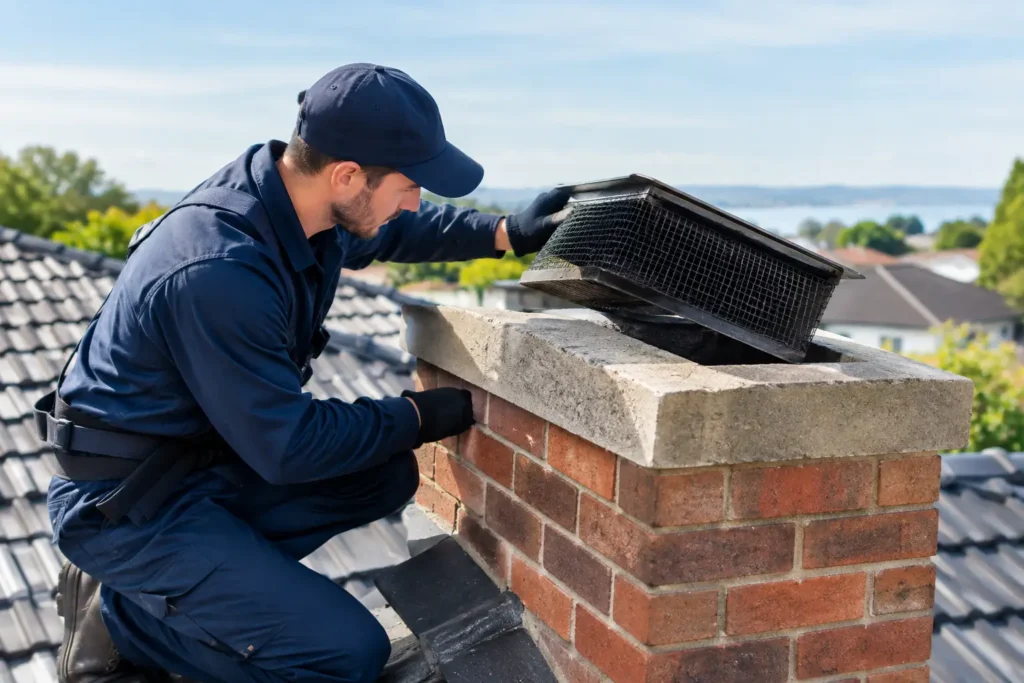
Avoid climbing onto the roof, pushing objects up the flue or using chemical products to break down deposits. These approaches can damage liners, shift debris into a tighter blockage or miss hazards higher in the chimney. A proper chimney clean involves assessing the flue condition, removing soot and debris with suitable equipment, and checking for signs of damage that need repair.
How often your chimney needs cleaning depends on how often it is used, the type and dryness of fuel, the condition of the flue and whether the property is exposed to trees or nesting wildlife. As a practical rule, arrange an inspection before heavy seasonal use, especially if the fireplace has been unused for months or showed any of the warning signs above last year.
For reliable chimney cleaning across Melbourne and surrounding suburbs, Top Air Duct Cleaning provides professional, responsive service with clear advice and transparent quoting. If you have noticed smoke, soot, odours or poor fireplace draw, call 0457 666 469 or visit www.topairductcleaning.com.au for a free quote. Acting before the next fire is lit is the simplest way to protect your property and the people inside it.
